Bodily Fluid Cleanup
Homes, care environments and businesses receive bodily fluid cleanup and disinfection.
See bodily fluid cleanupGet blood and bodily fluids removed from carpet, hard floors, walls, furniture or vehicles in Speigle Heights. The affected area is contained, cleaned and disinfected, with unsafe porous materials packaged for disposal.
A controlled process that clears blood and bodily fluids is called blood cleanup. It also covers surface cleaning, disinfection and disposal of anything that cannot remain safely.
What appears to be a single blood stain may have spread into furniture, floor seams, carpet, grout or wall gaps. Professional cleaning begins with an inspection of the whole affected space and protection for nearby surfaces. Trained technicians determine whether a porous material must come out or a hard surface can receive disinfection.
This type of biohazard remediation may be needed after an injury, medical event, workplace accident or other traumatic incident. The cleaning process is different from ordinary house cleaning because blood can contain bloodborne pathogens. Protective equipment, controlled work methods and careful waste disposal are part of the entire process.
The company should explain which materials can stay, which might be removed and the reason for each decision. You should understand how the cleanup team identified the full affected area before giving approval.
Calls can be answered day and night, and crews arrive in unmarked vehicles. You can request details about keeping neighbors, renters or patrons away from the work zone.
Keep photos, an item list and proof of cleaning to show insurance companies the loss, then move forward with repairs.
Keepsakes and useful belongings should be discussed with you. Before safely separable belongings are handled like common waste, the decision should be discussed with you.
Blood cleanup services may be needed if the affected area is extensive, the spill is large or fluid has absorbed far into a material. Typical situations include:
A household medical incident may leave blood on bathroom surfaces, carpet, bed linens or a trail through more than one room. A careful check is needed for each affected area.
Property owners and managers may need discreet cleaning, clear scope photos and records showing which materials were cleaned or removed.
Contamination from a severe event can extend over multiple types of surfaces. Professional cleanup keeps loved ones from facing a demanding task with possible safety risks.
Blood can pass through seat fabric into foam, reach carpet padding or collect in narrow trim gaps. Careful inspection and cleaning must cover all of those materials.
Your immediate priority is preventing contact with the blood and limiting its spread. Follow these actions while you set up a cleanup service:
Call (888) 440-9227Published industry guides list broad costs for blood cleanup, reflecting the difference between a small surface mark and fluid that has reached deeper materials. One guide states a span from $300 to $4,000 and a second shows $500 to $5,000; small blood cleanup carries another published range of $1,500 to $3,000. On-site scope, impacted materials and waste volume determine your final cost.
The figures shown are national ranges from published cost guides and are not based on an on-site visit. The price for your property is set after the on-site assessment, and you hear it before work starts.
Ask about cost: (888) 440-9227Blood cleanup may qualify for payment under homeowners, auto, renters or commercial insurance if the event is covered. The circumstances, deductible and language of your policy determine the claim.
For affected workplaces and rental properties, an owner, manager or landlord might organize the cleaning. Responsibility depends on the lease, policy and circumstances.
Report the event to your insurance company and ask whether biohazard cleanup and removal of contaminated building materials are covered. Save your claim reference and the adjuster's contact information.
Find out which images, lists of affected belongings and cleaning records your insurance company requires. Save every receipt and wait for guidance from the adjuster before throwing away damaged items, except where keeping them poses an urgent safety risk.
Victims of violent crime can ask the Kentucky Crime Victims Compensation Board about cleanup. State law lists crime scene cleanup at the victim's home or business, with a short time limit, so ask early. Insurance is usually checked first.
Clean rooms remain protected through a controlled professional blood cleanup process. The specific steps for the affected space depend on how much blood is present and which materials came into contact with it.
Cleanup technicians examine the obvious mark, surrounding materials and routes where blood may have traveled. The remediation process relies on notes and photographs to establish the work area before cleaning starts.
Barriers divide the affected work zone from unaffected rooms. Wearing suitable protective gear, technicians establish a clean path for moving tools and contained waste.
If surface treatment cannot reach soaked areas, technicians remove contaminated carpet pad, foam, unfinished wood or gypsum board.
The surface is cleaned of obvious soil prior to disinfectant treatment. Cleaning extends beyond the middle of the mark to cover joints, borders, hardware and surrounding high-touch areas.
An EPA-registered disinfectant is applied to surfaces that can be cleaned. The labeled contact time is followed by maintaining moisture on the surface throughout that period.
The crew packages and labels removed material, then moves it to disposal in line with rules for that place and kind of cleanup.
Before treating the air, technicians look for what is causing the odor. HEPA filtration may be used to control particles while affected materials are removed.
You receive documentation of the completed scope for your own files or insurer after the space is reviewed and cleanup equipment is removed safely.

Call at any time. You speak with a blood cleanup specialist who outlines the process and schedules a start time with you.
Blood can carry pathogens, and a visible stain does not show how far liquid has traveled inside porous or layered materials.
Hepatitis B, hepatitis C and HIV are among the bloodborne pathogens considered during professional cleanup. Dried blood still needs caution because the CDC states that hepatitis B may live on surfaces for at least seven days.
Materials saturated with blood must be contained safely and discarded according to your state's applicable requirements. Poorly secured bags or common open garbage may expose anyone nearby.
Absorbent materials such as unfinished timber, carpet padding, grout and cushion foam can draw in blood. Treating the upper layer alone can leave contaminated materials and lingering odor underneath.
Can you clean it yourself? You may be able to manage a few blood drops on an undamaged non-porous surface by wearing disposable gloves and keeping an EPA-registered disinfectant wet for its full label contact time. Seek professional cleanup when you cannot tell how far blood spread, when sharp objects are nearby, or when it reached carpet, upholstery, unsealed wood or a wall cavity.
Blood depth and surface type decide whether an item stays. Sealed hard materials often allow cleaning and disinfection. Porous items come out if full treatment is impossible.
A contained surface spill may take several hours, while blood that reached carpet padding, furniture, walls or several rooms can take one or more days. Inspection is needed before a reliable schedule can be set.
| Scene | Typical time on site |
|---|---|
| Minor blood spill affecting one intact, sealed surface | Several hours after the assessment is often enough |
| Blood in carpet, furniture or one room | Completion may extend beyond one full workday |
| Several affected areas or material removal | Could need one or more days before separate restoration work |
Source identification and removal come before other odor work. Blood hidden in wall cavities, furniture foam, carpet padding or subfloor gaps cannot be corrected with fragrance. Each possible location requires inspection, followed by removal of material that cannot be cleaned fully.
After source removal and disinfection, air quality work can include HEPA air filtration and cleaning nearby surfaces where particles settled. Stronger odor treatments are considered only after the contaminated materials are gone. You should be told what equipment will run, whether the room must be empty and when it can be used again.
The full blood cleanup guide covers what is cleaned or removed, odor and air quality work, and the rules that apply in your state.
Read the full blood cleanup guidePlanning for access, containment and cleanup can depend on local population, housing and entry conditions.
The approximately 1.4 mile trip to University of Kentucky Hospital matters when an injury must be assessed before anyone returns to the affected space.
Crews coming in from Davis Bottom/Southend Park, Woodward Heights or Western Suburb should keep vehicles and equipment staged close to the affected property for privacy.
A cleanup plan for this neighborhood should account for adjacent homes or units when setting odor control and containment boundaries.
Your phone conversation can include questions about service in nearby ZIP codes and communities.
Homes, care environments and businesses receive bodily fluid cleanup and disinfection.
See bodily fluid cleanup
Blood, body fluids and other infectious materials are removed, followed by property disinfection.
See biohazard cleanup
After the property is released by police, crime scene cleaning removes blood and controls odor.
See crime scene cleanup
Following accidents, violence or injuries, trauma scene cleanup addresses the affected area.
See trauma scene cleanup
Careful, private suicide cleanup keeps family members from having to confront the scene.
See suicide cleanup
After investigators leave, homicide cleanup removes contaminated materials along with tissue and blood.
See homicide cleanup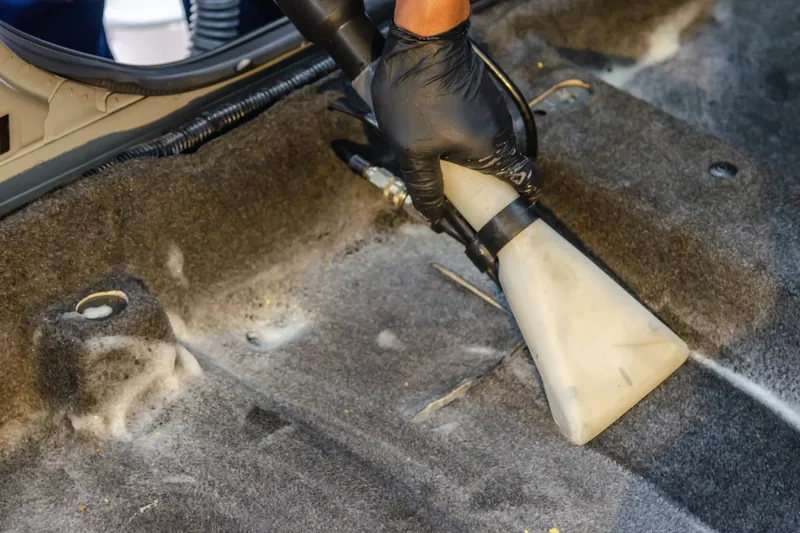
Carpet and upholstered items receive biohazard cleaning or are removed safely if necessary.
See biohazard carpet and upholstery cleaning
Medical waste removal and disposal through approved treatment facilities.
See medical waste removalThat depends on the location and extent of the spill. You may remain in an isolated clean space if technicians can effectively contain the contaminated area. You may need to stay elsewhere until cleanup ends if contamination reaches shared access routes, air circulation or more than one room.
The inspection determines if blood remains at the top or has entered cushion foam, carpet pad, joints or the furniture frame. Surface material may remain after treatment, but carpet padding and furniture foam with deep blood absorption commonly require removal. Cleanup must reach every contaminated layer instead of only making the surface mark look better.
Request details on how the crew maps the affected area, evaluates materials for disposal, chooses its disinfecting product and keeps surfaces wet as directed. Your questions should cover waste packaging, completed-work records, possible odor control and any later restoration that falls to you.
Wear throwaway gloves, contain liquid with absorbent material and select an EPA-registered disinfectant marked for that surface and organism. Read the product label and allow the required contact time. Never combine cleaning chemicals. Professional cleanup is appropriate for a major spill, contaminated absorbent materials or any area containing sharp objects, so keep out.
Cost guides show broad ranges since a job might involve a single hard surface or multiple rooms requiring removal of absorbent material. This page cites cost-card ranges beginning at $300 and reaching $5,000. The assessment for your location needs to define contaminated materials, disposal requirements and the exact scope of work.
Survival time depends on the pathogen and conditions. The CDC reports surface survival of at least seven days for hepatitis B. You should still use caution around dry blood. You should avoid contact, block off the area and clean dried blood using precautions equal to those for a fresh spill.
Respectful, discreet blood cleanup is available 24 hours a day, and crews arrive in unmarked vehicles.